I lit a candle in the front hallway at 2:00 on a Saturday afternoon, held it up to the edge of the front door, and watched the flame lean sideways like it was trying to leave. That was the beginning of my draft hunt.
Our house was built in 1977. We replaced the original windows in 2008, which helped a lot, but the doors, the outlets on the outside walls and a few other spots have been quietly leaking warm air for decades. Last winter I never noticed because there were more people moving around and I was at work all day. Now I work part-time from the kitchen table, and I can feel a little breeze on my ankles from the sliding door. With gas locked in at about 62 cents a Ccf for the year, I'd rather not pay to heat the backyard.
My tools
Nothing fancy. A candle (an incense stick works too and is safer near curtains), a $19 infrared thermometer I bought at a hardware store last month, a notepad and a flashlight. The thermometer is the one I'd recommend if you only buy one thing. You point it at a wall or a baseboard and it tells you the surface temperature. If most of a wall reads 66 degrees and one spot reads 58, you've found something.
I picked a cold, windy afternoon on purpose. It was about 34 degrees outside with a breeze, and the thermostat was at 68 inside. Drafts are easier to find when the difference is big.
What I found
I went room by room with the candle and the thermometer. Here's what showed up:
- The front door: the old weatherstripping was flattened and torn along the latch side. The candle flame went nearly horizontal. The thermometer read 51 degrees at the gap.
- The bottom of the front door: daylight visible under it when I lay on the floor, which Greg found very entertaining.
- The door from the garage into the family room: no sweep at all on the bottom, and it's a cold garage.
- Electrical outlets and light switches on outside walls: eleven of them. Several read 4 to 6 degrees colder than the wall around them.
- The attic hatch in the upstairs hallway: no seal at all, just a piece of painted plywood resting on trim.
- The sliding door: a gap at the top of the frame where the felt had worn off.
I didn't find much at the windows, which made me feel good about the 2008 money. The basement rim joist is probably leaky too, but that's a bigger project for another day.
What I bought and what it cost
One trip to Lowe's and one to Menards. Here's the receipt math:
Foam outlet and switch gaskets, a 24-pack: $6. Adhesive foam weatherstripping for the front door and the sliding door, two rolls: $14. A door sweep for the front door: $13. A door sweep for the garage door: $13. Foam tape and a self-adhesive gasket kit for the attic hatch: $11. A tube of caulk for a gap along a baseboard in the family room: $5. Plus the $19 thermometer from last month.
Total: $81 with the thermometer, $62 without it. I'm going to say "under $80" in the title because the thermometer will be used for other things. I'm allowed one round number in my favor.
How the afternoon went
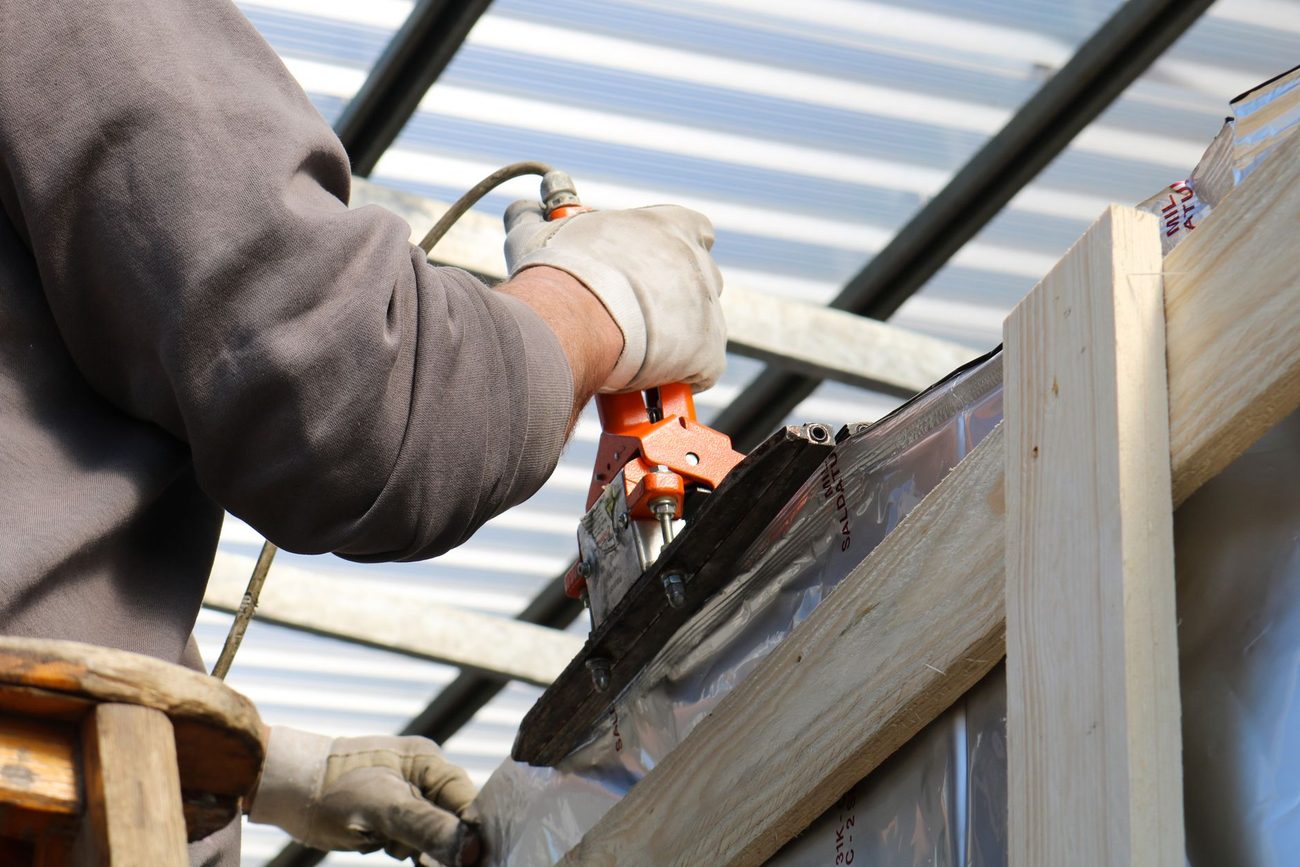
The outlet gaskets were the easiest. You turn off the breaker, unscrew the cover plate, press the foam gasket on and screw the cover back. Eleven of them took about forty minutes. Greg handled the breaker panel because he likes being in charge of the breaker panel.
The weatherstripping on the front door took longest because I had to pull off the old stuff and clean the frame first. The door sweeps took about fifteen minutes each with a screwdriver. The attic hatch was ten minutes: foam around the edge of the trim it sits on, and the plywood now sits tight. Greg then moved a box out of the hallway so he wouldn't trip on it, which counts as helping.
By 5:30 I went back around with the candle. The front door flame barely moved. The garage door sweep made the biggest difference you could feel standing in the family room. The outlets read within one or two degrees of the wall.
Will it show up on the bill?
Honestly, I don't know yet. We have a gas furnace from 2015 and last November's gas bill was $118. I'll compare this December and January with last year's in the green notebook, adjusting for how cold it gets, and I'll report back. The general estimates I've seen for sealing small leaks like these range from a few percent to around ten percent of heating costs. If we save even 5 percent on a winter of gas, $62 pays for itself in one season.
Even if the bill barely moves, the family room is noticeably warmer, and that's where Thanksgiving dessert is happening next week. My ankles thank me.