Tuesday afternoon I came up from the basement holding a foil pan of chicken enchiladas I'd made in August, and I felt a little smug. I had spent four hours that morning on the landscaping company's books, the laundry was half done, and dinner was already decided. All I had to do was turn on the oven.
I started the bookkeeping job at the beginning of September, about 12 hours a week at the kitchen table. It isn't much time, but on those days I don't want to start a meal from scratch at 4:30. So in August, before the job began, I spent two Saturdays turning our old family recipes into freezer meals sized for two.
Halving the 13-by-9
Almost every casserole I know is built for a 13-by-9 pan. That pan is 117 square inches. An 8-by-8 is 64, which is a little more than half. So the simplest trick is to make the full recipe and divide it between two 8-by-8 pans. Each pan gives Greg and me dinner plus one lunch, or two generous dinners.
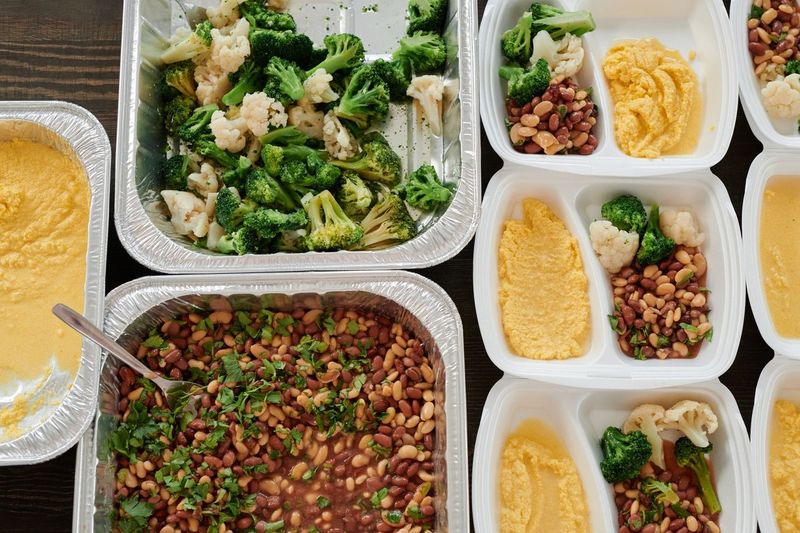
I bought a pack of 8-by-8 foil pans with lids at Meijer for $8.99 for ten, so about 90 cents each. I also have two glass 8-by-8 dishes with plastic lids. Glass is nice, but don't put a frozen glass dish straight into a hot oven. It can crack from the shock. I thaw those in the fridge first, or I use the foil pans for anything I want to bake from frozen.
For soups, chili and sauces, freezer bags work better. I fill a quart bag with two servings, press out the air, and freeze it flat on a sheet pan. Once frozen, the flat bags stand up in a basket like files. Even I can find things that way.
Every pan and bag gets a strip of masking tape with three things on it: what it is, the date it went in, and how to cook it. "Chicken enchiladas, 8/16, thaw overnight, 375 for 35 min." I learned this after I once served Greg what I thought was chili and turned out to be spaghetti sauce. He didn't complain. He also didn't finish it.
Keeping it safe
I did look this up, because I want to get it right:
- Cool food quickly. I don't leave a casserole on the counter for the afternoon. It goes into the fridge within two hours of cooking, then into the freezer once it's cold.
- Keep the freezer at zero degrees or colder. I bought a $5 freezer thermometer to be sure.
- Thaw in the refrigerator, not on the counter. A casserole needs overnight, sometimes a full day.
- Reheat until the center reaches 165 degrees. I check with an instant-read thermometer in the middle of the pan, because the edges bubble long before the center is hot.
- For best quality, eat most casseroles within two to three months. They're safe longer at zero, but they start to taste like the freezer.
Things that came out just as good: enchiladas, baked ziti, chili, sloppy joe meat, meatloaf (shaped but not baked), chicken and rice, and beef stew if I leave the potatoes out and add fresh ones when I reheat it. Potatoes in a frozen stew turn grainy.
Things that did not: anything with a sour cream sauce, which separates, and pasta cooked all the way to soft before freezing. Now I cook pasta two minutes short so it finishes in the oven.
What it costs
A full batch of the enchiladas, made with a rotisserie chicken, two cans of enchilada sauce, tortillas, cheese and a can of beans, came to $15.60 at Aldi prices, about $7.80 per 8-by-8 pan. Each pan is two dinners for the two of us, so roughly $1.95 a serving. A comparable frozen entrée at the store is $4 to $5 a serving and not as good.
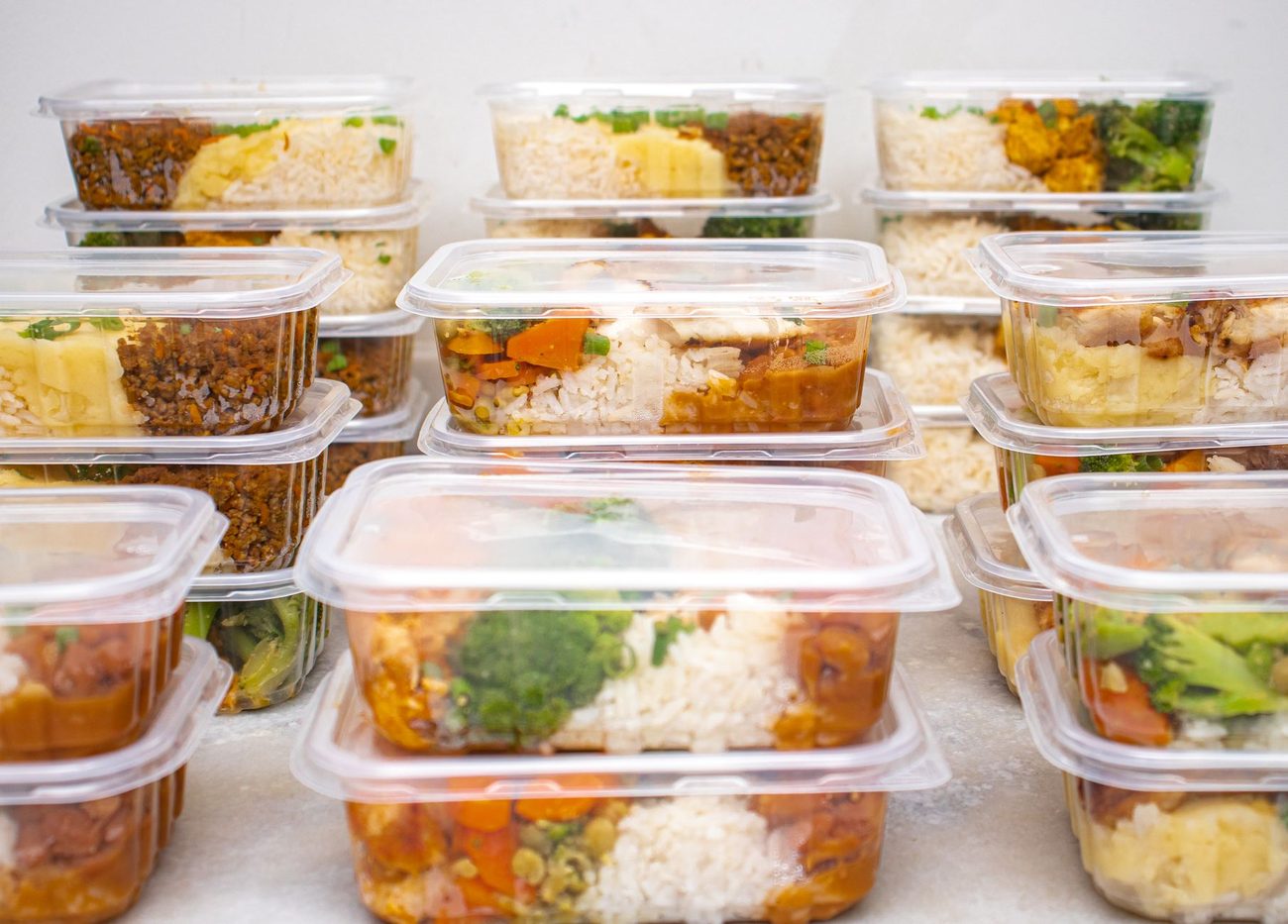
Right now the basement freezer holds 14 meals for two: six casseroles in pans and eight flat bags. On bookkeeping days I take one out the night before, and that's all the planning I do. Greg has started checking the basket himself and leaving notes on the counter: "Ziti tomorrow?" I'll take that as a compliment.